Overview
Introduction
Electric and magnetic fields (EMF) are present whenever and wherever 50/60 Hz electricity is generated, transmitted, and used. Radiofrequency (RF) emissions are prevalent due to the adoption of wireless communication devices, smart meters, and inverters associated with renewable sources, such as photovoltaic cells and power electronics. The electric grid, with its associated technologies, is experiencing a phase of rapid evolution and expansion to meet increasing demands for low carbon electrification.
Environmental health and safety issues related to these EMF and RF exposures are evolving as the need for electrification and grid resiliency increases. Utility EMF professionals must address these concerns as part of managing a robust public health and worker safety program and ensuring timely development and application of a more modern grid.
Objectives
Electric utility companies operate and maintain large-scale grid infrastructure that includes transmission lines, substations, and distribution networks. Concerns may arise about potential health effects related to exposure to electric and magnetic fields (EMF) that are present when electricity is generated, transmitted, and used. Radiofrequency (RF) emissions are also prevalent because of the adoption of wireless communication devices, smart meters, and inverters associated with renewable sources that use power electronics. The electric grid, with its associated technologies, is experiencing a phase of rapid evolution and expansion to meet increasing demands for low-carbon electrification. Environmental health and safety issues related to these EMF and RF exposures are evolving as the need for electrification and grid resiliency increases. Utility EMF professionals must address these concerns as part of managing a comprehensive public health and worker safety program and ensuring the timely development and application of a more modern grid.
This project set focuses on addressing concerns over the potential health effects of EMF and RF on humans and nonhuman biota. For more than 40 years, EPRI has been systematically evaluating a broad range of health concerns related to EMF and RF exposures. However, scientific gaps still exist for some health outcomes, such as childhood leukemia and neurodegenerative diseases. The International Agency for Research on Cancer (IARC), an agency of the World Health Organization, classifies extremely low -frequency (ELF) magnetic fields and RF fields as “possibly carcinogenic” to humans. In addition, new technological innovations and applications often evoke old concerns and new questions about health and safety (for example, impacts of air ions from high-voltage direct current [HVDC] lines on human health).
EMF and RF issue managers rely on timely information and new research to address ongoing public and worker concerns. To address these concerns, the EPRI research in this project set aims to:
- Conduct novel scientific research to help resolve key uncertainties related to residential and occupational EMF exposure and health outcomes, such as childhood leukemia and neurodegenerative diseases. This may include conducting high-quality epidemiology studies and/or synthesis of health research.
- Conduct research on emerging health and environmental concerns from the application of resurgent technologies, such as HVDC lines and new approaches such as hybrid lines (ac and dc lines on a common structure or adjacent in a corridor) and submarine applications.
- Develop research summaries and information necessary for compliance using the latest available science to inform member risk communication plans.
- Deliver up-to-date information from EPRI and global EMF research to EMF/RF issue managers from member organizations.
- Integrate at-pace learning for new-to-the-area issue managers and other stakeholders to facilitate knowledge transfer.
Approach
To achieve these objectives, the following projects may be conducted based on availability of funding:
Alternative Hypotheseis for Childhood Leukemia and Power Lines
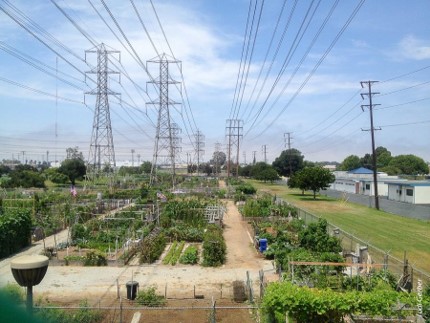
This project explores alternative hypotheses for childhood leukemia that could be associated with proximity to electrical infrastructure but may not be because of magnetic fields. The causes of childhood leukemia remain largely unknown; however, the association with EMF appears to be decreasing over time. It is unclear why a decrease in risk would exist because there have been no significant changes to transmission line EMF levels. This project explores other factors using novel research approaches to investigate differences in population demographics and environmental exposures.
Other Potential Health Concerns Related to EMF Exposures and Power Lines:
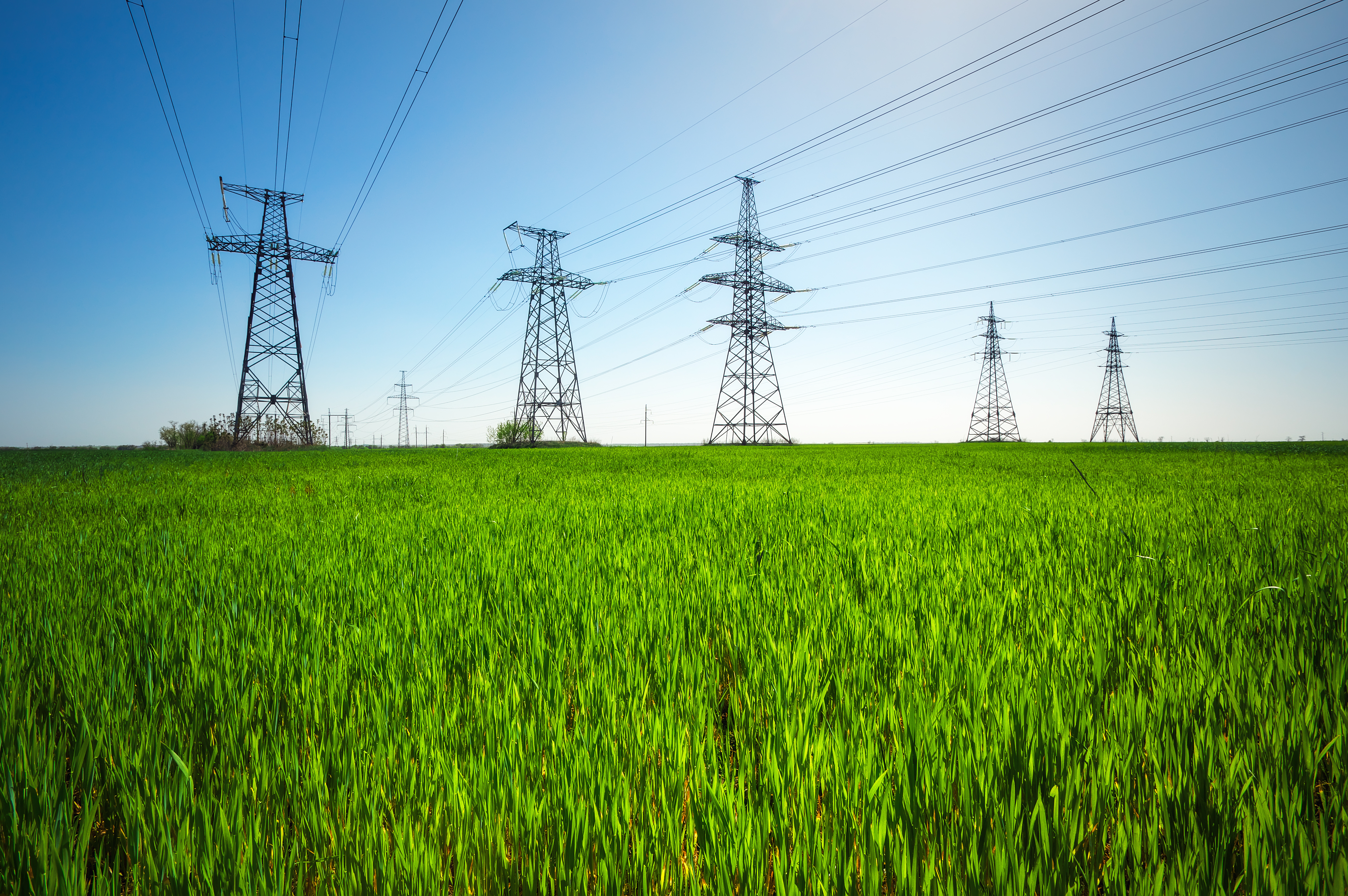
Other health concerns beyond childhood leukemia have been identified with EMF exposures, such as neurodegenerative illnesses and electromagnetic hypersensitivity. For example, investigators have observed a consistent association between so-called “electric” occupations and amyotrophic lateral sclerosis (ALS), a progressively fatal motor neuron disease. This project periodically synthesizes the literature findings on these other topics of concern to keep members updated on the latest scientific findings. More detailed studies may be performed in the future if an opportunity and/or knowledge gap is identified. In addition, EPRI monitors and engages with international research efforts on EMF and explores opportunities for collaboration.
EMF and Your Health Updates:
Public concerns about exposure to EMF continue to challenge the industry as utilities proceed with their grid modernization plans to increase resiliency and electrification. The advent of social media and distrust of mainstream science by some members of the public creates additional communication challenges for EMF leads. EMF and Your Health is a publicly available brochure produced by EPRI to explain the issues surrounding EMF. It covers the physical nature of EMF, our everyday exposures to EMF, the health research and its findings, and the conclusions reached by expert scientific panels and government agencies. It provides key updates to the review of the science that the National Institute of Environmental Health Sciences (NIEHS) published in 2002 in a booklet entitled, “EMF: Electric and Magnetic Fields Associated with the Use of Electric Power - Questions & Answers.” Effective communication of EMF risks promotes trust with the public and reduces the likelihood of project delays or cancellations and the need for costly mitigation measures.

Topical Frequently Asked Questions (FAQ) Information Briefs:
Information briefs on a variety of EMF-related topics will be developed to provide answers to the most asked questions and/ or misunderstandings about that topic. Members may use the information in the information briefs to inform their risk communication plans. Information briefs on topics such as electromagnetic hypersensitivity, 5G, smart meters, and microshocks have been published. Additional topics based on member feedback and needs are intended to be addressed in future information briefs.

EMF Public/Residential Exposure Database:
The EMF environment in and around a home could be changing because of the introduction of new electrification technologies to reduce greenhouse gas emissions (for example, solar panels, battery storage, electric vehicle [EV] charging, induction stoves, heat pumps, and EV-to-grid applications). Information about sources and levels of home exposures was first investigated more than 30 years ago and may not reflect the current home environment. A standard measurement protocol and data collection template intends to be developed and used by utilities to uniformly measure and document EMF in and around the home. Utilities will submit these data to an online EPRI database that can be accessed by members to identify a range of EMF levels and characteristics by different categories, such as dwelling type, geographic region, or technology adoption. The database is intended to provide members with a unique resource that can be used to establish context for explaining EMF values to the public.
EMF Now and EMF/RF Technical Webinars:
EMF Now is a monthly publication and summary of curated EMF study results that keeps members current on scientific studies being conducted around the world as well as related developments, such as media coverage, litigation, and public opposition to new projects. Webinars are planned to be scheduled throughout the year to provide timely information on various technical topics of member interest. Whenever possible, topics will be solicited from the program membership. In the past, webinars were conducted on topics such as dirty electricity, EMF measurements for the public, and electromagnetic hypersensitivity.
Research Value
This project provides the following benefits:
- Improves safety practices, community wellbeing, and compliance matters necessary for project regulatory and stakeholder approval by addressing high-priority issues concerning potential health and environmental effects related to EMF and RF exposures, enriching the body of scientific knowledge, and informing exposure guideline development
- Provides scientific information and engineering design considerations to address EMF issues raised by local constituencies with respect to new construction or upgrades of transmission lines, distribution networks, and substations, reducing the potential for projects to be delayed or the need for rerouting lines (thereby increasing project cost) or implementing more expensive underground cabling
- Facilitates grid modernization in a timely manner by addressing issues that could result in implementation delays because of public and regulatory concerns
- Contributes to the public benefit by addressing environmentally responsible aspects of electrical energy to realize the vision of a flexible, resilient, and connected electrical grid
- Mitigates legal and reputational risks by demonstrating the electric power industry’s proactive commitment to resolving uncertainties about EMF effects through support of high-quality research
- Fills research gaps in evaluating and understanding potential impacts related to EMF exposure generated by transmission and distribution (T&D) infrastructure and renewable energy sources
Future Work
- Alternative Hypothesis for Childhood Leukemia and Transmission Lines: Population Demographics
- 5G Information Sheet
- EMF Training Modules